Navigating the Modern Fashion Shop Experience

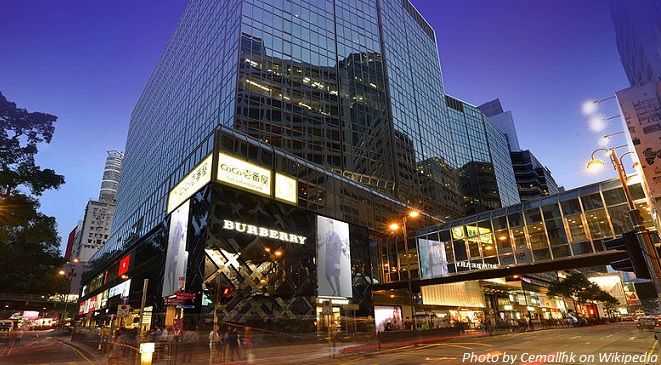
Fashion is more than just a necessity; it is a universal language of self-expression and a reflection of cultural shifts. The concept of the “Fashion Shop” has traveled a long road from the exclusive Parisian ateliers of the 19th century to the lightning-fast digital storefronts of the 21st century. Today, a fashion shop is not merely a place to acquire garments; it is a curated environment designed to inspire, educate, and empower the consumer. Whether you are stepping into a high-street flagship or scrolling through a boutique mobile app, the modern fashion landscape offers a complex and exciting array of choices that cater to every identity and lifestyle.

The Psychology of Curation in Retail

What separates a mediocre fashion shop from a world-class destination is the art of curation. In a world of infinite choices, the modern consumer often suffers from decision fatigue. A professional fashion shop addresses this by … Read more

Continue Reading

Mastering the Art of Low-Cost Purchasing

In an era of fluctuating global economies and rising living costs, the ability to secure high-quality goods at the lowest possible price is no longer just a frugal habit; it is a critical financial skill. Low-cost purchasing is often misunderstood as simply buying the cheapest item available. However, true low-cost procurement is a strategic discipline that balances price, quality, and longevity. By shifting from impulsive consumption to a calculated acquisition strategy, consumers can significantly increase their purchasing power and build long-term wealth without sacrificing their standard of living.

Understanding the Philosophy of Value

Before diving into the mechanics of saving money, it is essential to redefine what “low-cost” actually means. A cheap product that breaks after two uses is ultimately more expensive than a mid-priced product that lasts for years. This is the concept of “Price Per Use.”

Strategic low-cost purchasing focuses on the total cost of ownership. For example, … Read more

Continue Reading

Exploring the Cultural Synergy of Dining and Shopping

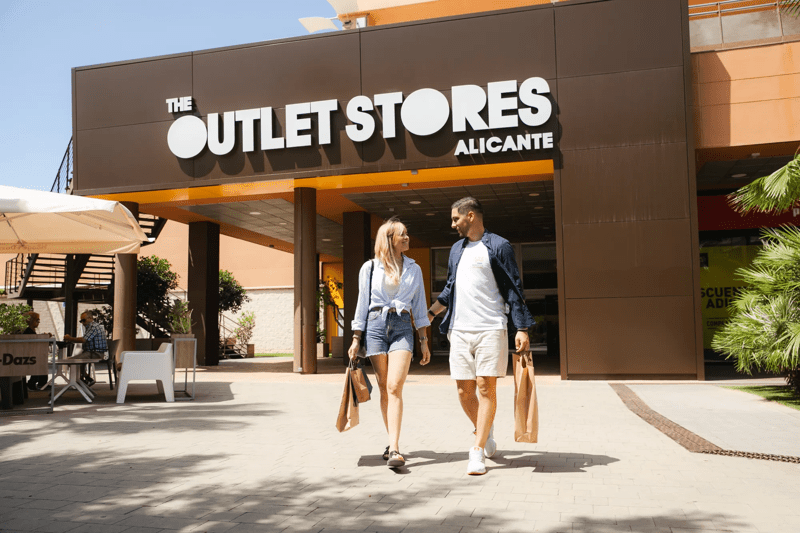
In the world of lifestyle and travel, few combinations are as timeless or as universally appealing as the pairing of a great meal and a day of retail discovery. Whether it is a high-end luxury mall in Dubai, a historic market street in London, or a local “main street” in a small town, the relationship between dining and shopping is symbiotic. For the modern consumer, these two activities are no longer separate chores; they have merged into a single, cohesive form of entertainment known as “experiential retail.” Understanding how to navigate this duo effectively can transform a standard Saturday afternoon into a curated cultural excursion.

The Evolution of the Consumer Experience

Historically, shopping was a utilitarian task—you went to a store to buy what you needed and returned home. Dining was a separate social event. However, as the digital age shifted many basic purchases to online platforms, physical retail … Read more

Continue Reading

The Evolution of the Digital Marketplace: Online Shopping Networks

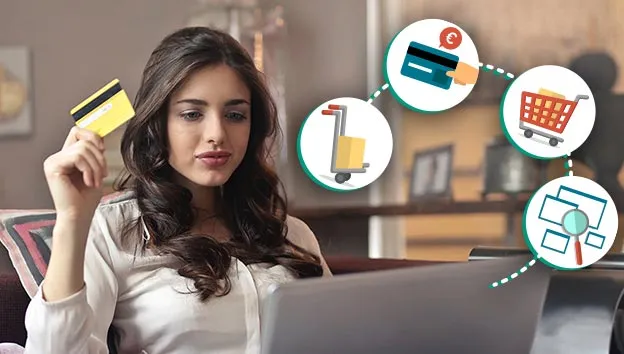
The landscape of modern commerce has shifted from the physical aisles of department stores to a complex, interconnected web of digital platforms known as Online Shopping Networks. In the early days of the internet, e-commerce was a linear transaction: a customer visited a website, selected an item, and checked out. Today, that process has evolved into a multi-dimensional ecosystem where social media, third-party marketplaces, influencer recommendations, and logistics hubs converge to create a seamless consumer experience. For the modern shopper, understanding how these networks operate is the key to unlocking better value, higher security, and a more personalized shopping journey.

The Rise of the Integrated Shopping Ecosystem

An Online Shopping Network is more than just a single website; it is an integrated environment where various digital entities communicate to facilitate a sale. This network typically includes the primary retailer, payment gateways like PayPal or Stripe, logistics providers, and social discovery … Read more

Continue Reading

Why Online Shopping is Cheaper and More Enjoyable

The retail landscape has undergone a seismic shift over the last decade. What once required a physical journey to a brick-and-mortar store, navigating crowds, and settling for limited local inventory has been replaced by a streamlined, digital-first experience. Today, the assertion that online buying is both cheaper and more enjoyable is no longer just an opinion; it is a reality backed by the economics of the internet and the psychology of user experience. From the comfort of a sofa, consumers can now access a global warehouse of goods, ensuring they get the best possible value without the traditional stresses of physical shopping.

The Economics of the Digital Shelf: Why It Is Cheaper

The most immediate advantage of online shopping is the impact on the consumer’s wallet. Several structural factors allow e-commerce platforms to undercut traditional retail prices consistently.

  • Reduced Overhead Costs: Unlike physical stores, online retailers do not have to
Read more Continue Reading