Hong Kong is often described as a concrete jungle, but to those who step off its bustling streets, it is immediately clear that the true pulse of the city beats inside its massive, air-conditioned vertical spaces. Shopping malls in Hong Kong are far more than mere retail centers where transactions occur. They function as vibrant urban sanctuaries, climate-controlled public squares, and intricate pedestrian highways that connect transit systems, office towers, and residential complexes into a seamless, multi-level lifestyle ecosystem.
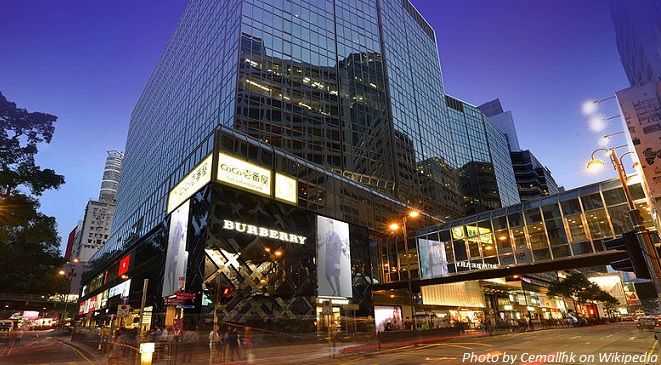
Understanding Hong Kong’s shopping malls requires looking beyond the flagship luxury stores and sparkling glass facades. It means exploring how physical architecture, hyper-convenient urban planning, and local social culture intersect to create one of the most sophisticated retail landscapes in the world.
The Philosophy of Vertical Retail and Transit Integration
Land in Hong Kong has historically been one of the world’s most precious commodities. Driven by steep topography and high population density, urban developers long ago abandoned the traditional, horizontal shopping strip model in favor of vertical integration.
Most prominent malls in the city are constructed directly above or alongside major Mass Transit Railway (MTR) stations. This design model, commonly referred to as “Rail plus Property,” creates an environment where commuters can exit a train, grab a morning coffee, walk through a three-story shopping gallery, enter their office building, and return home without ever setting foot on a public street or being exposed to the tropical heat and rain.
Rather than arranging shops along a single plane, Hong Kong malls use multi-tiered atrium designs, spiraling pedestrian ramps, and expressive skybridges to draw visitors upward. Multi-level food halls, indoor ice rinks, rooftop gardens, and underground passages transform what could be claustrophobic towers into dynamic spaces that feel open, interconnected, and accessible.
Iconic Retail Destinations and Their Distinct Personalities
While every major MTR station boasts its own commercial center, the flagship malls of Hong Kong each possess a distinct identity tailored to different lifestyles, demographics, and cultural moods.
IFC Mall and Central’s Financial Elegance
Situated atop Hong Kong Station on the island’s waterfront, IFC Mall serves as the retail gateway for global business travelers and financial professionals. With wide concourses, floor-to-ceiling glass walls, and direct access to airport express trains, the atmosphere here is refined and sleek. Beyond high-end designer boutiques, it offers panoramic views of Victoria Harbour and a manicured rooftop public terrace where office workers unwind during sunset.
Harbour City: The Waterfront Titan
Spanning over two million square feet along the Tsim Sha Tsui waterfront, Harbour City is a mega-complex comprising hundreds of shops, dozens of restaurants, and multiple hotel towers. It is so vast that it functions virtually as a self-contained neighborhood. Visitors can spend an entire day navigating its distinct retail zones, browsing high fashion along Canton Road, or taking in unobstructed harbour views from the Ocean Terminal Deck.
K11 MUSEA: The Intersection of Culture and Retail
Located at the Victoria Dockside development, K11 MUSEA reimagines the classic shopping mall as a museum-retail hybrid. Featuring striking organic architecture, immersive art installations, curated botanical gardens, and niche artisan pop-ups, it caters heavily to modern creative culture. It proves that contemporary shoppers crave memorable aesthetic experiences and storytelling as much as physical products.
Times Square and Causeway Bay’s High-Energy Core
Reflecting the frantic, vibrant energy of Causeway Bay, Times Square is famous for its soaring vertical atrium and iconic outdoor plaza. Rising sixteen stories above ground, it utilizes an efficient system of express escalators to transport shoppers quickly between themed retail tiers, ranging from luxury lifestyle apparel to multi-floor dining concepts.
Malls as Social and Civic Gathering Spaces
To understand the daily life of a local resident, one must recognize that Hong Kong apartments are notoriously compact. As a consequence, private living rooms are rarely used for hosting large group gatherings. The city’s shopping malls step into this gap, serving as the collective living room of the public.
On any given weekend, these grand indoor spaces accommodate a full spectrum of daily life:
- Families gather for weekly dim sum luncheons at large banquet halls inside local community malls.
- Students find quiet corners, cafes, and open seating areas to study or meet up for group projects.
- Elderly residents take morning walks through clean, well-lit indoor corridors away from urban traffic.
- Youth culture gathers around interactive pop-up exhibitions, boutique cinema halls, and digital entertainment hubs.
Seasonal decorations during major holidays, such as Lunar New Year and Christmas, turn central mall atriums into festive communal landmarks. These intricate visual displays routinely draw thousands of visitors who come simply to stroll, capture photographs, and share in the public celebration.
Modern Innovations and Sustainable Futures
As consumer habits shift globally toward e-commerce and experiential travel, Hong Kong’s shopping centers continue to adapt. Modern renovations place heavy emphasis on biophilic architecture—incorporating indoor waterfalls, living green walls, natural daylighting through massive skylights, and outdoor terraces.
Furthermore, dining has moved from being a secondary amenity to a primary destination anchor. Contemporary malls feature meticulously curated gastronomy floors that blend international Michelin-starred concepts with local heritage food stalls, ensuring that culinary exploration remains a core driver of foot traffic.
Conclusion
Shopping malls in Hong Kong represent far more than a collection of retail stores under a single roof. They stand as a masterclass in modern vertical urbanism, showing how architectural ingenuity can turn spatial density into an asset. By seamlessly blending world-class public transport, public social spaces, creative cultural spaces, and diverse retail ecosystems, Hong Kong’s malls have earned their place as the true beating heart of the city’s public and social life.