The concept of acquiring goods without leaving the comfort of one’s residence is not a modern luxury, but its execution has undergone an extraordinary metamorphosis over the past few decades. What began in the late twentieth century as late-night television infomercials and televised shopping networks has evolved into a highly sophisticated, multi-channel ecosystem. Today, home shopping integrates live video broadcasts, augmented reality, social commerce, and artificial intelligence, offering consumers a level of convenience and engagement that was once unimaginable.
Understanding the modern home shopping landscape requires examining how technology, consumer psychology, and entertainment have blended to create a seamless remote retail experience.
The Historical Foundation: The Television Network Era
To appreciate modern innovations, one must first recognize the origins of televised home shopping. Emerging in the late 1970s and 1980s, specialized cable channels revolutionized retail by bringing the storefront directly into millions of living rooms via coaxial cables.
The Power of Live Demonstration and Storytelling
Unlike static newspaper ads or traditional catalog spreads, televised shopping introduced real-time product demonstrations. Program hosts acted as friendly, trustworthy guides who demonstrated how appliances worked, showed how jewelry looked against various skin tones, and answered live caller questions. This format humanized the purchasing process, turning passive viewers into active buyers through compelling storytelling and charismatic presentation.
The Psychology of Scarcity and Urgency
Early television shopping pioneered sales tactics that remain central to modern e-commerce today. On-screen countdown timers, live inventory counters indicating remaining stock, and limited-time promotional pricing created a sense of psychological urgency. Viewers felt compelled to make immediate decisions via toll-free telephone numbers to avoid missing out on exclusive deals.
The Digital Transition: Web-Based E-Commerce and Social Commerce
As internet access expanded globally, home shopping migrated rapidly from television screens to personal computers, smartphones, and mobile tablets. This transition fundamentally altered the buyer’s journey from scheduled channel viewing to on-demand, round-the-clock browsing.
The Rise of Shoppable Live Streams
Combining the engaging host format of classic television networks with the interactive nature of social media, live-stream shopping has become a dominant global trend. Retailers and individual content creators host live digital broadcasts where viewers can chat in real time, ask specific product questions, and purchase featured items instantly by tapping on-screen pins without pausing the video stream.
Social Media Storefronts and Creator Commerce
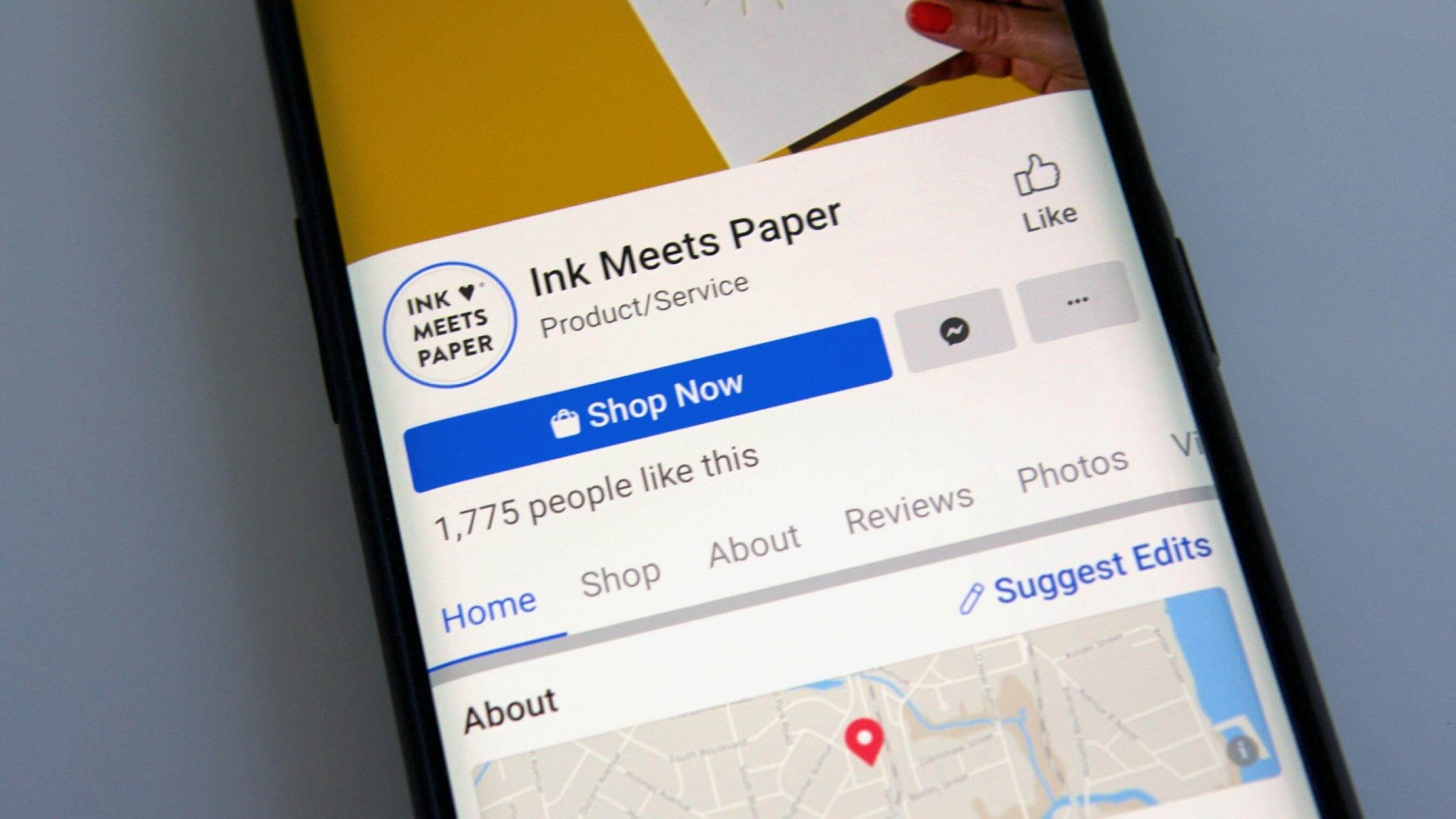
Social media platforms have integrated digital storefronts directly into their user interfaces. Consumers no longer need to leave their favorite social feeds to search for a product seen in a short video or photo post. Influencer reviews, peer recommendations, and native checkout features allow users to discover and buy products within seconds, turning social interaction into a direct retail channel.
Next-Generation Technologies Shaping Home Shopping
The modern home shopping environment continues to push boundaries by deploying advanced technological tools designed to eliminate the traditional limitations of remote purchasing.
- Interactive Augmented Reality (AR): One of the historic drawbacks of shopping from home was the inability to inspect items physically. Advanced AR tools allow consumers to place virtual three-dimensional furniture models into their actual living rooms using a smartphone camera or try on cosmetics and apparel virtually, dramatically boosting buyer confidence.
- Voice-Assisted Commerce: Smart home speakers and virtual assistants have introduced hands-free conversational shopping. Consumers can reorder household essentials, add items to digital shopping lists, or check delivery statuses using simple voice commands while going about their daily household routines.
- Artificial Intelligence and Personalization: Algorithmic recommendation engines analyze past browsing habits, purchase histories, and search intents to curate individualized storefronts for every consumer. Rather than wading through thousands of irrelevant products, shoppers are presented with tailored items aligned with their specific tastes and preferences.
Economic and Lifestyle Impact on Modern Consumers
The expansion of home shopping has reshaped daily living habits, urban logistics, and consumer expectations. It offers unprecedented accessibility for individuals with mobility challenges, busy working parents, and residents living far from major metropolitan shopping districts.
However, the ease of purchasing from home requires conscious consumerism. With impulse buying made friction-free through stored payment methods and one-click checkouts, financial mindfulness and intentional purchasing habits have become essential skills for navigating today’s ubiquitous digital market.
Conclusion
Home shopping has progressed far beyond its humble origins of cable television broadcasts and telephone orders. By successfully bridging the gap between entertainment, social connectivity, and cutting-edge technology, it has established itself as an indispensable pillar of contemporary commercial culture. As artificial intelligence and immersive virtual environments continue to advance, the boundary between physical retail and remote shopping will continue to blur, making the home an increasingly dynamic, personalized, and convenient gateway to global commerce.