The retail landscape is undergoing a monumental transformation. Gone are the days when a store was merely a physical room filled with shelves, static price tags, and cash registers. Today, the concept of a modern innovations shop has emerged to redefine how people discover, evaluate, and purchase products. These forward-thinking retail hubs blend cutting-edge technology, interactive architecture, and hyper-personalized customer journeys to create an immersive destination where commerce meets discovery.
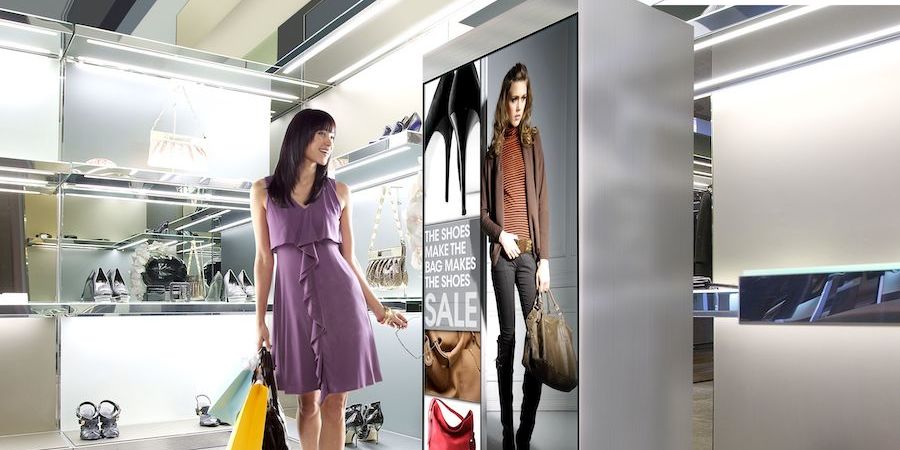
Understanding the modern innovations shop requires looking beyond traditional retail concepts. It is an exploration of how digital intelligence and human curiosity converge to shape the future of shopping.
The Core Blueprint of a Modern Innovations Shop
A modern innovations shop is designed around experiential engagement rather than passive browsing. Unlike traditional stores that maximize inventory per square meter, innovation-focused shops prioritize open spaces, interactive touchpoints, and fluid product displays.
Sensor-Driven Environments and Smart Shelves
Step into a modern innovation store, and the environment responds dynamically to your presence. Smart shelves equipped with radio-frequency identification (RFID) sensors and weight detectors recognize when a customer picks up an item. Immediately, nearby digital displays light up to showcase detailed product specifications, manufacturing origins, customer reviews, and complementary items.
Frictionless and Contactless Transactions
The traditional checkout line is rapidly becoming a relic of the past. Modern innovation shops employ computer vision systems, ceiling-mounted sensors, and mobile payment integrations to enable frictionless shopping. Customers can select their desired items and simply walk out, with automated systems processing the payment securely through digital wallets or dedicated brand applications.
Blending the Physical and Digital Realms (Phygital Retail)
The true strength of a modern innovations shop lies in its ability to erase the boundary between physical retail and e-commerce—a strategy commonly referred to as “phygital” retail.
Augmented Reality and Virtual Try-Ons
One of the most significant pain points in traditional shopping is uncertainty regarding fit, color, or context. Innovation shops utilize augmented reality (AR) smart mirrors and interactive screens to solve this challenge.
Whether customers are trying on clothing, testing cosmetics, or previewing how a piece of smart home technology fits into their living space, AR platforms project accurate digital overlays in real time. This interactive feedback loop increases buyer confidence while reducing return rates significantly.
Data-Driven Personalization
When integrated with opted-in mobile applications, an innovation shop can tailor the physical walk-through to individual preferences. As a shopper moves through different zones, the store system can highlight personalized product recommendations, offer tailored discounts, or point out items saved on the user’s online wishlist, creating a tailored journey similar to browsing an online storefront.
Sustainable Architecture and Intelligent Design
Innovation is not solely defined by screens and microchips; it also encompasses how spaces are built, powered, and maintained. The modern innovations shop places environmental responsibility and smart architecture at the center of its identity.
- Adaptive Lighting and Energy Systems: Smart LED systems automatically adjust brightness and color temperature based on natural daylight levels entering the store, reducing overall power consumption while maintaining optimal illumination.
- Sustainable Material Sourcing: From modular fixtures made of recycled ocean plastics to biodegradable display stands, modern shops choose flexible interior elements that can be reconfigured effortlessly without generating construction waste.
- Circular Retail Displays: Many innovation shops incorporate dedicated spaces for product repair, recycling, and trade-in initiatives, encouraging consumers to participate in a sustainable product lifecycle.
Community Hubs and Curated Spaces
Beyond selling goods, the modern innovations shop serves as a community anchor and a launchpad for emerging creators. Retailers recognize that transactions can happen anywhere online, so a physical store must offer distinct added value.
Many innovation-driven outlets dedicate floor space to rotating workshop areas, live product demonstrations, and educational seminars. A consumer might visit to test an AI-powered fitness wearable, attend a workshop on smart home automation, or enjoy a craft beverage at an in-store café while interacting with brand ambassadors. By transforming retail space into a social hub, brands build deep, lasting relationships with their audiences.
Conclusion
The modern innovations shop represents a fundamental shift in how society interacts with products and brands. By seamlessly combining immersive technologies like augmented reality and automated checkout with sustainable design and human-centric community spaces, these retail environments offer far more than simple convenience. They provide an inspiring look into the future of human commerce—one where physical exploration and digital intelligence harmoniously coexist to make shopping richer, faster, and infinitely more engaging.