The world of fashion is often perceived as a whirlwind of ever-changing trends, fleeting aesthetics, and seasonal must-haves. For many, entering a fashion shop—whether physical or digital—can trigger a sense of overwhelm. How do you distinguish between a passing fad and a timeless investment? How do you build a wardrobe that feels cohesive yet versatile? The secret lies in moving away from impulsive acquisition and toward a strategy of curated elegance. By understanding the principles of silhouette, color theory, and fabric integrity, you can transform your shopping experience from a stressful chore into a sophisticated creative process.
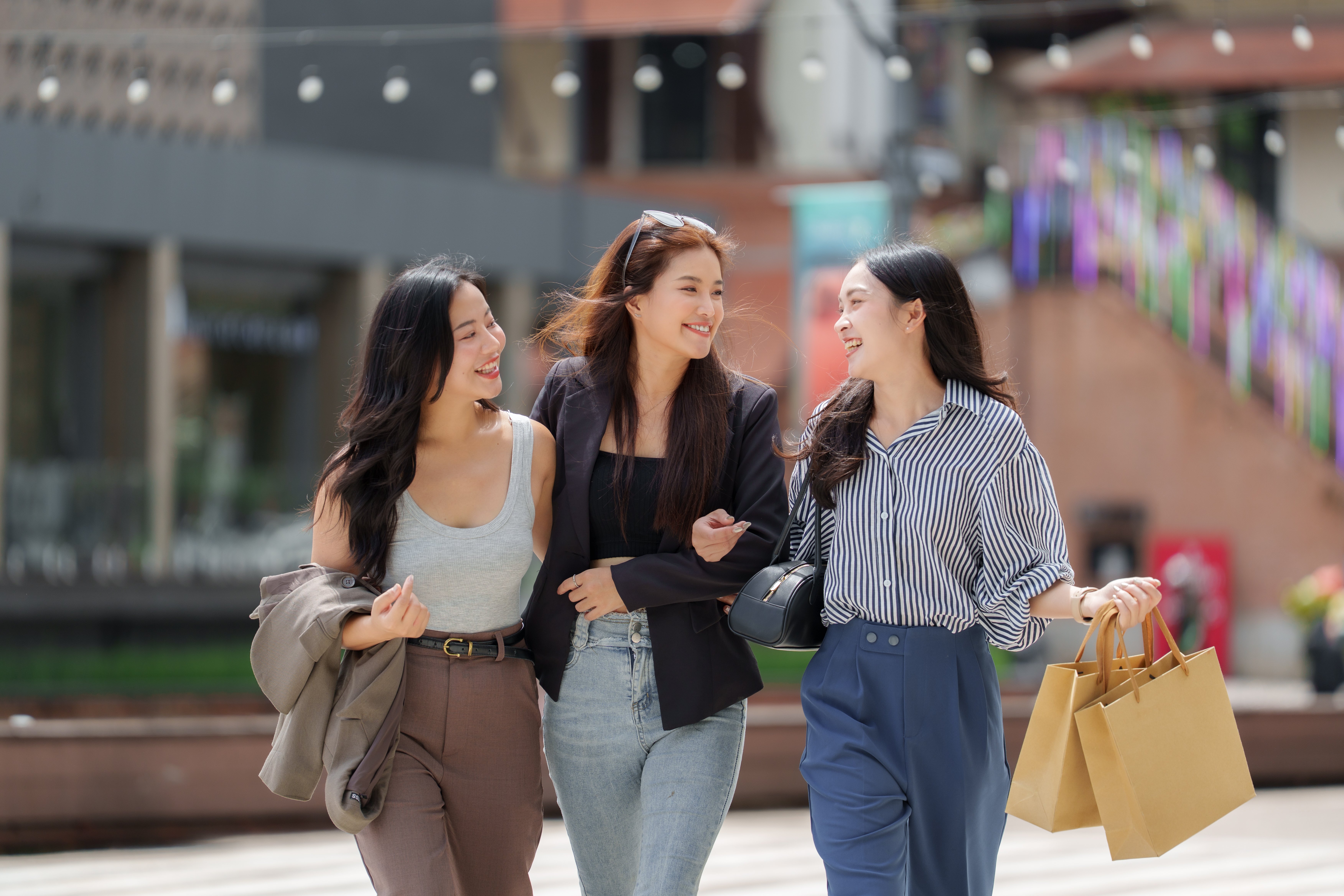
Building the Foundation: The Power of Wardrobe Staples
Before exploring the avant-garde or the highly trendy, every successful wardrobe must be anchored by high-quality staples. These are the “silent heroes” of your closet that provide the foundation for more experimental looks. When browsing a fashion shop, your first priority should be identifying these versatile pieces.
A perfect white button-down, a well-tailored pair of trousers, a classic trench coat, and a high-quality leather boot are items that transcend seasons. The key suggestion here is to prioritize quality over quantity for these foundational items. Look for natural fibers like organic cotton, silk, and wool. These materials not only breathe better and feel more comfortable against the skin but also age with a grace that synthetic fibers cannot replicate. A well-made staple is an investment that lowers your “cost per wear” over time, providing a polished look regardless of current trends.
Mastering the Silhouette: Proportion and Balance
One of the most common mistakes shoppers make is choosing items based on how they look on a mannequin or a digital model, rather than how the garment interacts with their own proportions. Style is fundamentally an exercise in geometry. To shop effectively, you must understand the interplay of volume and structure.
A professional style suggestion is to follow the “Rule of Balance.” If you are opting for a voluminous, oversized top, pair it with structured, slim-fitting bottoms to maintain a sense of shape. Conversely, if you are wearing wide-leg trousers or a flowing maxi skirt, a more form-fitting or tucked-in top will prevent your frame from being overwhelmed by fabric. Understanding your body’s unique lines allows you to use fashion as a tool to highlight your best features, ensuring that you are wearing the clothes, rather than the clothes wearing you.
Strategic Color Integration: Beyond the Neutral Palette
While a neutral palette of black, white, navy, and camel offers effortless chic, a truly dynamic wardrobe utilizes color strategically. When exploring a fashion shop, look for “accent colors” that complement your natural skin tone and hair color.
Instead of buying a head-to-toe outfit in a bright, neon shade that might feel dated by next season, consider using color in accessories or specific statement pieces. A vibrant silk scarf, a bold handbag, or a pair of jewel-toned heels can breathe new life into a neutral base. Furthermore, understanding the “seasonal palette” can help you choose colors that look vibrant year-round. Deep burgundies and forest greens excel in the cooler months, while pastels and citrus tones provide a refreshing energy during the spring and summer.
The Role of Texture and Layering
Texture is the often-overlooked element that adds depth and sophistication to an outfit. A monochromatic look—for example, all black—can look flat and uninspired if the textures are identical. However, if you mix a matte wool trouser with a silk blouse and a patent leather shoe, the variation in light reflection creates a rich, high-end aesthetic.
Layering is another essential skill for the modern shopper. It allows you to extend the life of your garments across different seasons and adds a level of complexity to your style. Suggestion: think of your outfit in three layers. The base layer is for comfort and moisture-wicking; the middle layer is for insulation or style (like a blazer or cardigan); and the outer layer is for protection and structure (like an overcoat). Mastering this hierarchy ensures you remain comfortable in varying environments while looking intentionally styled.
Sustainable Shopping: Quality as a Style Statement
In the modern fashion landscape, style and ethics are becoming increasingly intertwined. A sophisticated shopper understands that the “fast fashion” cycle of buy-and-discard is the antithesis of true style. One of the most impactful style suggestions is to adopt a “slow fashion” mindset.
When evaluating a piece in a fashion shop, ask yourself: Can I see myself wearing this in three years? Does it pair with at least three items I already own? If the answer is no, it is likely a distraction rather than an addition. Supporting shops that prioritize ethical labor, sustainable materials, and transparent supply chains is not just good for the planet; it results in a more unique and durable wardrobe. High-quality construction—such as reinforced seams, lined garments, and spare buttons—is a hallmark of a piece that will remain a style staple for a decade.
Conclusion: Developing Your Signature Aesthetic
Ultimately, style is a journey of self-discovery. A fashion shop is a resource, but your intuition is the final judge. By focusing on high-quality foundations, mastering the balance of proportions, strategically integrating color, and prioritizing sustainable quality, you move away from the noise of the industry and toward a signature aesthetic.
Fashion is a powerful form of non-verbal communication. It tells the world who you are before you even speak. By following these suggestions, you ensure that the story you are telling is one of confidence, intentionality, and timeless elegance. Remember, the most stylish person in the room is rarely the one wearing the most trends; it is the one who looks most at home in their clothes.
Would you like me to help you create a personalized “Style Profile” based on your current wardrobe needs to help you focus your next shopping trip?