The beauty industry has undergone a significant structural shift over the last decade. While traditional salon roles and counter positions at high-end department stores still exist, a growing number of professionals are choosing the path of the freelance makeup artist (MUA). This career choice offers an enticing blend of creative freedom, schedule flexibility, and the potential for high earnings. However, transitioning from a beauty enthusiast to a successful freelance professional requires more than just a talent for blending eyeshadow. It demands a sophisticated understanding of business management, networking, and continuous skill evolution.
Defining the Freelance Landscape
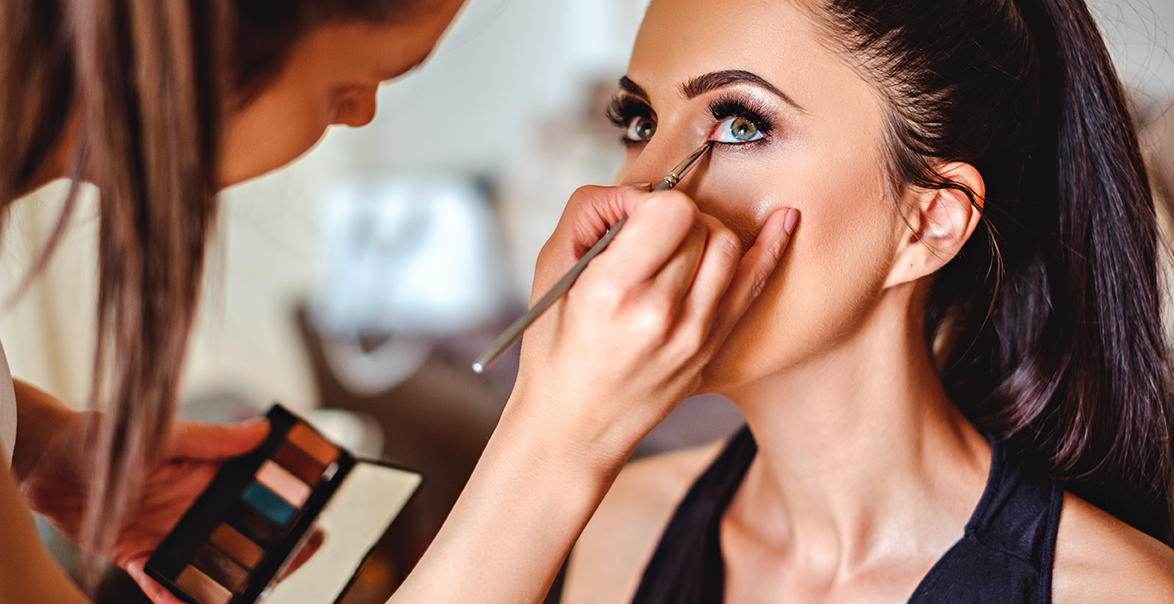
A freelance makeup artist is essentially a small business owner. Unlike an employee who receives a consistent paycheck and a curated workspace, a freelancer is responsible for every aspect of their operation—from marketing and kit maintenance to accounting and client relations. The scope of work for a freelance MUA is incredibly broad, encompassing bridal beauty, editorial fashion, film and television production, special effects (SFX), and private events.
The primary appeal of this career path is autonomy. You have the power to choose which projects to accept and which clients to work with. However, this independence comes with the challenge of “the hustle.” Success in the freelance world is rarely about finding one big break; it is about building a reputation for reliability, artistry, and professionalism that leads to a steady stream of referrals.
Building a Professional Toolkit
The most significant initial investment for any freelance MUA is the professional kit. Unlike a personal makeup collection, a professional kit must be versatile enough to cater to a diverse range of skin tones, textures, and ages. This requires a strategic selection of foundations, concealers, and palettes that can be customized for any client who sits in your chair.
- Sanitization as a Priority: In the professional world, hygiene is non-negotiable. A freelancer’s kit must be organized with sanitization at the forefront, including stainless steel palettes, spatulas for decanting products, and medical-grade disinfectants.
- Quality Over Quantity: It is better to have a few high-performing, professional-grade products than a mountain of low-quality items. Professional MUAs focus on pigments that photograph well and formulas that can withstand long hours of wear under various lighting conditions.
- Lighting and Portability: Since freelancers often work on location—at wedding venues, photo studios, or private homes—investing in a portable, high-quality ring light and a durable, organized travel case is essential.
The Power of the Portfolio and Social Proof
In the visual-driven world of beauty, your portfolio is your resume. A modern freelance makeup artist must maintain a digital presence that showcases their range and technical ability. While social media platforms are excellent for daily engagement, a professional website serves as a more permanent and credible gallery of your work.
High-quality photography is crucial. Even the most stunning makeup application can look mediocre if captured in poor lighting. Many successful freelancers collaborate with local photographers and models on “time for print” (TFP) projects to build a diverse portfolio that demonstrates their skill across different styles—from natural, “no-makeup” looks to bold, avant-garde editorial concepts. This visual evidence provides the social proof necessary to convince a potential client that you are the right person for their special day or commercial project.
The Business of Beauty: Contracts and Pricing
One of the most common pitfalls for new freelancers is neglecting the business side of the craft. To survive long-term, you must view yourself as a professional entity. This begins with a clear pricing structure. Your rates should reflect not just your time on-site, but your years of training, the cost of your products, your travel expenses, and your administrative time.
The use of contracts is another non-negotiable element. A professional contract protects both the artist and the client. it should clearly outline the services provided, the total cost, the deposit requirements, the cancellation policy, and any travel fees. Having a signed agreement in place reduces the likelihood of “no-shows” and ensures that expectations are managed from the very beginning.
Networking and Relationship Management
In the freelance world, your network is your net worth. Most successful makeup artists find their best projects through word-of-mouth recommendations. Building strong relationships with other industry professionals—such as hairstylists, photographers, wedding planners, and event coordinators—is vital. When a hairstylist is booked for a wedding and the bride asks for a makeup recommendation, you want your name to be at the top of their list.
Client management is equally important. A freelance MUA often enters a client’s personal space during high-stress moments, such as the morning of a wedding. Being a calm, professional, and empathetic presence is often just as important as the makeup application itself. Exceptional service leads to repeat clients and positive reviews, which are the lifeblood of a freelance business.
Conclusion: Cultivating a Sustainable Career
Becoming a freelance makeup artist is a journey of both artistic and professional growth. It is a career that rewards those who are as disciplined in their business practices as they are passionate about their artistry. While the road to building a full-time freelance income can be challenging, the rewards of being your own boss and expressing your creativity every day are unmatched.
By focusing on a high-quality kit, a professional portfolio, robust business practices, and genuine networking, you can transform your passion for beauty into a sustainable and thriving freelance career. The beauty industry is constantly evolving, and for the freelance artist, this means there is always a new technique to learn, a new product to master, and a new client to inspire.
Would you like me to draft a sample “Freelance Service Agreement” template that covers the essential legal and professional points you should include in your client contracts?