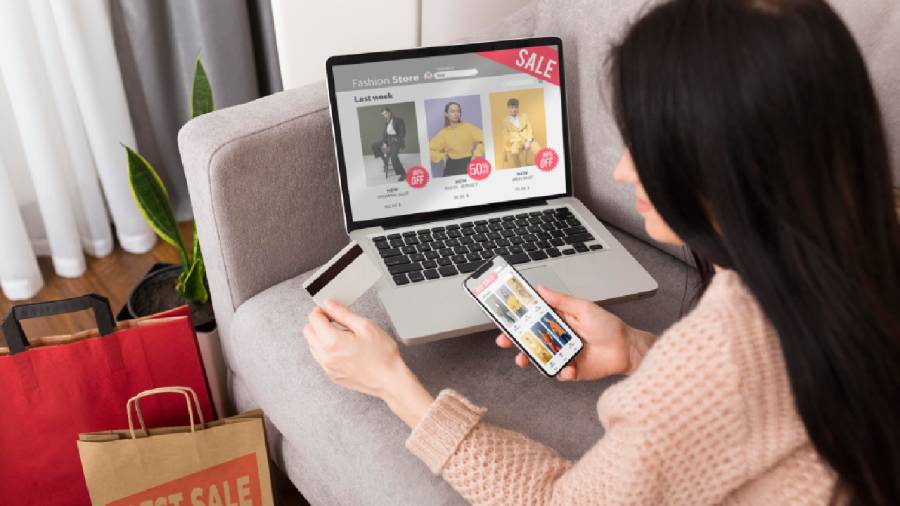
The retail landscape has undergone a seismic shift over the last decade. What once required a physical journey to a brick-and-mortar store, navigating crowds, and settling for limited local inventory has been replaced by a streamlined, digital-first experience. Today, the assertion that online buying is both cheaper and more enjoyable is no longer just an opinion; it is a reality backed by the economics of the internet and the psychology of user experience. From the comfort of a sofa, consumers can now access a global warehouse of goods, ensuring they get the best possible value without the traditional stresses of physical shopping.
The Economics of the Digital Shelf: Why It Is Cheaper
The most immediate advantage of online shopping is the impact on the consumer’s wallet. Several structural factors allow e-commerce platforms to undercut traditional retail prices consistently.
- Reduced Overhead Costs: Unlike physical stores, online retailers do not have to worry about expensive prime-location real estate, high utility bills for large showrooms, or a massive floor staff to manage customers. These savings are often passed directly to the consumer in the form of lower base prices.
- Direct-to-Consumer Models: The internet has empowered manufacturers to skip the “middleman.” By selling directly to the public through their own websites or major marketplaces, brands eliminate the wholesale markup that usually occurs when a product moves from a factory to a distributor and finally to a retail shelf.
- Real-Time Price Comparison: In a physical mall, comparing prices across five different stores is an exhausting, multi-hour task. Online, this process takes seconds. With browser extensions, price-tracking tools, and dedicated comparison engines, shoppers can ensure they are buying at the absolute lowest price point available globally.
- Dynamic Discounting and Coupons: The digital environment is built for rewards. From “first-purchase” discount codes to cash-back extensions and loyalty points, the opportunities to shave off extra percentages are far more prevalent online than in physical stores.
The Joy of the Interface: Why It Is More Enjoyable
While the financial savings are compelling, the “enjoyment factor” of online shopping is what truly cements its dominance. The modern e-commerce experience is designed around the concept of “frictionless commerce,” prioritizing the user’s comfort and mental well-being.
One of the primary stressors of traditional shopping is the environment. Crowded aisles, loud music, aggressive sales tactics, and long checkout lines can turn a simple errand into a draining ordeal. Online shopping eliminates these sensory distractions. You are the master of your shopping environment. You can shop at midnight in your pajamas, or during a lunch break, without the pressure of a closing time or a hovering salesperson.
Furthermore, the “discovery” phase of online shopping has become a form of curated entertainment. Sophisticated algorithms learn your preferences, suggesting items that genuinely align with your taste rather than random products pushed by a store manager. The ability to read hundreds of peer reviews provides a sense of community and security that a product label simply cannot offer. There is a distinct satisfaction in knowing that you have made an informed choice based on the lived experiences of other buyers.
Logistics and the Luxury of Time
Time is arguably our most precious commodity, and online shopping is the ultimate time-saver. Beyond the obvious avoidance of traffic and parking, the logistical efficiency of modern e-commerce adds a layer of enjoyment to the process. The “waiting game” has been transformed from a nuisance into a highlight; there is a documented psychological “micro-high” associated with the anticipation of a package arriving at your doorstep.
The return policies of major online retailers have also matured to the point where they rival, and often exceed, those of physical stores. Many platforms now offer “try-before-you-buy” services or no-questions-asked return labels that can be printed at home. This removes the risk of “buyer’s remorse,” making the act of clicking “order” a low-stress, high-reward activity.
The Ethical and Sustainable Shift
Interestingly, online shopping is becoming more enjoyable for the conscious consumer as well. It is much easier to research a brand’s ethical practices, carbon footprint, and material sourcing online than it is in a store. Many digital marketplaces now allow you to filter products by “eco-friendly” or “locally sourced” tags. Furthermore, consolidated shipping—where multiple items are sent in a single box—is increasingly optimized to reduce packaging waste, allowing shoppers to align their spending with their personal values effortlessly.
Conclusion: Embracing the Future of Consumption
The transition to online buying is not merely a change in geography; it is an evolution of the consumer experience. By leveraging the lower overheads of the digital world, e-commerce provides a clear financial benefit that physical retail struggles to match. When you combine those savings with the psychological ease of a quiet, curated, and pressure-free environment, it becomes clear why the digital marketplace is the preferred choice for the modern shopper.
Shopping should not be a chore; it should be an efficient and pleasant way to acquire the things we need and want. Online buying achieves this balance perfectly. It respects your budget, honors your time, and protects your peace of mind. As technology continues to advance—integrating virtual reality fittings and even more precise AI recommendations—the gap between the digital and physical experience will only widen, making the online world an even more attractive destination for consumers worldwide.
Would you like me to create a guide on the best browser extensions and tools to help you automatically find the lowest prices and best coupon codes while you shop?