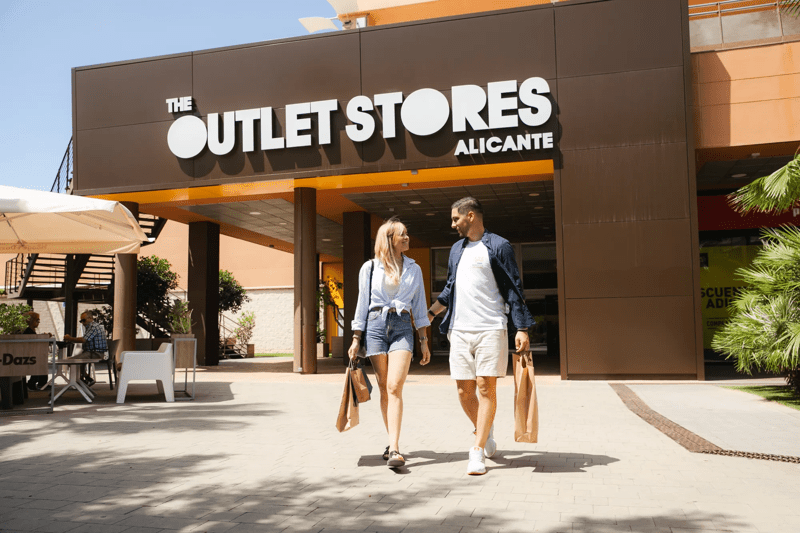
For many savvy shoppers, a trip to an outlet mall feels like a high-stakes treasure hunt. The allure is simple and powerful: high-end designer brands at a fraction of their original retail price. We walk into these stores under the impression that we are purchasing overstock, last season’s leftovers, or perhaps a garment with a microscopic defect that prevented it from sitting on a boutique shelf. However, the reality of modern retail is quite different. Today, a vast majority of the merchandise found in outlet centers was never intended for a traditional retail store. Instead, these products were specifically designed and manufactured for the outlet market.
The Shift from Overstock to “Made-for-Outlet”
Historically, outlet stores served a functional purpose for brands. They were “clearance centers” used to liquidate excess inventory, seasonal remainders, or “seconds”—items with minor manufacturing flaws. This model was beneficial for both the brand, which could recoup some costs, and the consumer, who received authentic retail-grade quality at a discount.
However, as outlet malls grew in popularity and became major tourist destinations, the demand for discounted luxury goods began to outpace the supply of leftover inventory. Brands realized they couldn’t rely solely on mistakes or overproduction to stock hundreds of outlet locations worldwide. To maintain these profitable storefronts, companies began creating “MFO” (Made-for-Outlet) lines. Today, industry experts estimate that upwards of 80% to 90% of products in many outlet stores are manufactured specifically for those locations, using different materials, simpler designs, and lower production costs.
How to Spot the Difference: Quality and Construction
When a brand creates a product specifically for an outlet, they must find ways to lower the price point while maintaining the visual “DNA” of the brand. This often results in subtle but significant differences in quality that an untrained eye might miss.
- Material Composition: In a retail boutique, a sweater might be 100% cashmere or wool. In the outlet version, that same style might be a blend of wool and nylon or acrylic. Similarly, leather goods in outlets often use “corrected-grain” leather or bonded leather rather than the “full-grain” hides found in flagship stores.
- Hardware and Detailing: Luxury is often in the details. On a retail-grade handbag, you will find heavy, polished brass zippers and reinforced stitching. The outlet version may use lighter, gold-toned plastic zippers and skip the protective metal feet on the bottom of the bag.
- Linings and Finishes: Retail garments often feature full silk or high-quality rayon linings and finished interior seams. Made-for-Outlet items frequently omit linings or use cheaper polyester, and internal seams may be surged rather than bound, leading to a garment that doesn’t drape as well or last as long.
The Secret Language of Labels
One of the most effective ways to determine if you are buying a true retail “remainder” or a product made for the outlet is to look at the tags and labels. Brands often use specific coding systems to help their employees—and savvy customers—distinguish between the two lines.
For example, a famous high-end leather brand uses a small “circular stamp” or a specific “F” in the serial number on the interior creed of bags made specifically for their factory outlets. Other clothing brands may place “two small dots” or a “diamond” under the brand name on the neck label. If you see a brand name followed by a word like “Factory,” “Value,” or “Studio,” you are likely looking at a secondary line designed to meet a lower price point. Understanding these subtle markings allows you to make an informed decision about the value you are actually receiving.
The Economics of the Outlet Model
From a business perspective, the Made-for-Outlet model is a brilliant strategy for brand expansion. It allows luxury labels to reach a broader demographic—consumers who aspire to the brand’s prestige but cannot or will not pay boutique prices. By creating a separate supply chain, brands can protect their “prestige” pricing in flagship stores while still capturing the high-volume “value” market.
The challenge for the consumer is the “anchoring” effect. Outlets often display a “MSRP” (Manufacturer’s Suggested Retail Price) alongside a “Our Price.” This creates the illusion of a massive saving. However, if the item was made specifically for the outlet, it was likely never intended to be sold at that higher price. The “discount” is often a marketing psychological tactic rather than a genuine price reduction from a historical high.
Is Shopping at Outlets Still Worth It?
Despite the shift in manufacturing, outlet shopping isn’t necessarily a “bad” deal. Many Made-for-Outlet products are still of decent quality and offer the aesthetic of a designer brand at a price that fits a mid-range budget. The key is to adjust your expectations.
If you are buying an outlet item because you love the style and the price fits your budget, it is a successful purchase. However, if you are buying it because you believe you are getting a $500 retail garment for $150, you may be disappointed in the longevity of the item. To get the best value, look for “clearance” racks within the outlet store; these are the most likely places to find genuine retail transfers—the “true” leftovers that the outlet system was originally built upon.
Conclusion: Becoming a Discerning Consumer
The modern outlet store is a masterclass in retail psychology and supply chain management. While the dream of finding a boutique treasure at a bargain price still exists, it requires more effort and knowledge than it did in the past. By understanding that many products are made specifically for the outlet, you can shop with a critical eye.
Pay less attention to the “percent off” signs and more attention to the feel of the fabric, the weight of the hardware, and the details of the stitching. When you stop chasing the “deal” and start evaluating the “product,” you become a truly strategic shopper. Outlets can still be a fantastic resource for refreshing your wardrobe, provided you go in with your eyes wide open to the reality of what is sitting on the hangers.
Would you like me to create a specific brand-by-brand guide on how to identify the “secret marks” on labels that distinguish retail products from made-for-outlet items?